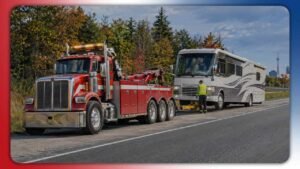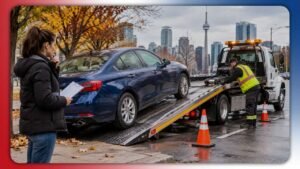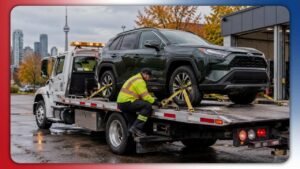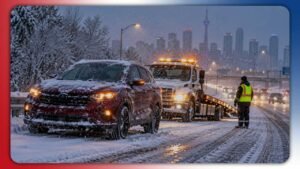

Direct insurance billing towing lets a towing company submit an eligible invoice to your insurer instead of requesting immediate payment. Your insurer must still accept the claim, coverage, and billing arrangement.
Whenever possible, confirm approval before dispatch. A towing invoice sent to an insurer does not guarantee payment or eliminate your responsibility.
Ontario drivers face different arrangements after collisions, breakdowns, and police-directed recovery. Understanding each route helps you avoid an unexpected charge.
Direct Insurance Billing Towing and the Payment Process
Direct billing changes who receives the invoice first, not the insurance contract. The operator collects claim details and sends supporting records for review.
Your insurer evaluates the towing service, policy terms, billed amount, and destination. An approved payment goes to the tow company under the agreed arrangement.
A declined amount returns to the applicable payment or dispute process. Ask for written confirmation about unpaid charges before you sign a billing authorization.
The towing operator and insurance adjuster
The towing operator documents pickup, loading, transport, and delivery. An adjuster reviews eligibility and whether the claimed expenses are reasonable.
You give the company your insurer’s name, policy details, and claim number when available. Never share online account passwords or banking credentials.
Direct billing compared with reimbursement
With direct billing, the tow operator submits an invoice to the insurer. With reimbursement, you pay first and submit your receipt.
Both arrangements require evidence and applicable coverage. Payment timing depends on insurer approval and the billing agreement, not a universal Ontario deadline.
Direct Insurance Billing Towing After an Ontario Collision
Collision-related towing often falls under an eligible automobile insurance claim. Your policy, fault allocation, claim decision, and approved expenses determine payment.
Call your insurer promptly after a crash. Explain whether the vehicle blocks traffic, leaks fluid, or needs a flatbed for safe transport.In ordinary circumstances,
Ontario protects your choice of tow company and destination. Restricted tow zones and authorized official directions create exceptions.
Collision claims and coverage review
Your insurer examines the collision, applicable policy protections, and necessary towing expenses. Do not assume that every accident creates full coverage.
Ask whether your policy covers recovery, secondary towing, storage, and transport to a repair facility. Get each authorization in writing where practical.
Breakdowns and optional roadside protection
A dead battery, mechanical failure, or punctured tyre triggers a different coverage check. Many drivers use a separate roadside assistance plan.
Ask your insurer or membership program about towing distance, service limits, eligible vehicles, and reimbursement rules. Collision insurance does not automatically cover towing for mechanical breakdowns.
How to Arrange Direct Insurance Billing Towing
To arrange direct insurance billing towing, notify your insurer, select a qualified operator, and confirm the billing pathway before the truck moves.
Follow 6 practical stages. Record each conversation so you can resolve changes without relying on memory after a stressful collision.
Confirm coverage and obtain a claim reference
Call your insurer using the phone number on your policy or insurer application. Describe the crash and request a claim reference.
Ask whether your chosen tow operator can bill the insurer directly. Request an alternative approved payment process if the insurer cannot confirm direct billing.
Check consent and the written destination
Ask the operator for the maximum rate schedule and consumer rights information before signing. Check the destination address and legal business name.
Ontario generally requires your consent unless an authorized exception applies. Never sign a blank tow form or an undisclosed storage agreement.
Collect the invoice and delivery record
Keep the signed consent, vehicle photographs, itemized invoice, and drop-off confirmation. Send the records to your adjuster when requested.
Check the insurance towing questions answered page for the company’s stated insurer coordination and service details. Direct-billing acceptance still needs confirmation.
Use the company’s accident towing service options to discuss vehicle recovery and insurer coordination. Confirm direct-billing eligibility independently during the call.
Insurance Documents That Support Faster Towing Claims
Complete documentation reduces avoidable claim questions. Keep your policy information and service paperwork together from the first phone call.
You should collect the vehicle registration, licence plate, policy number, claim number, and adjuster contact. A photo of each record helps preserve details.
Vehicle photographs and towing evidence
Photograph both damaged and undamaged vehicle panels before loading when safe. Capture the roadway position and visible equipment used for recovery.
A photograph of a 10-foot (3.05-metre) loading area can help explain limited access. Avoid standing near traffic or interfering with emergency crews.
Receipts, authorization, and insurer correspondence
Save the tow consent and a detailed invoice showing each service. Keep email confirmations and adjuster instructions in the same claim folder.
Ontario requires towing invoices to identify prescribed operator and service details. Request corrections promptly when the invoice omits important information.
Insurance Billing Limits, Deductibles, and Unpaid Fees
Direct billing does not erase deductibles or exclusions. Insurers only pay expenses allowed by the policy and authorized claim decisions.
Ask your adjuster to separate eligible towing from disputed storage, unnecessary detours, and unrelated roadside work. Request a written explanation for denied items.
Coverage gaps and rejected invoices
Your insurer can reject expenses outside your agreement or claim eligibility. Seek the exact reason before paying a contested amount.
Examples include unauthorized storage, duplicate towing, or additional recovery services without appropriate documentation. The decision depends on specific facts.
Storage duration and secondary transport
Confirm how long the insurer will approve storage and which repair location should receive the vehicle. Daily storage charges accumulate until release.
Arrange transfer promptly after the adjuster approves the destination. Ask the facility to record the release date and final storage invoice.
Towing Rates and Insurance Billing in the Greater Toronto Area
Ontario towing operators must disclose their maximum rates before ordinary consent-based towing. An insurer’s involvement does not authorize arbitrary surcharges.
GTA Towing & Scrap Cars describes quotations before dispatch on its service page. The reviewed service and FAQ pages do not establish a fixed direct-billing price.
Ask for a service-specific written quotation and compare the amount with the operator’s registered maximum schedule. Avoid treating unrelated competitor prices as company rates.
Rate factors that change an accident tow
Towing costs depend on the recovery category, vehicle condition, equipment, transport distance, and documented extra work. A basic roadside tow differs from collision recovery.
For example, a 6-mile (9.7-kilometre) transport requires different driving time than a 25-mile (40.2-kilometre) transfer. No universal price covers both jobs.
Comparison with published competitor information
A Brantford operator publicly gives a $100–$200 range for ordinary local flatbed towing. That range is competitor context, not a GTA quote.
Ontario publishes operator rate information and rules governing maximum charges. Check the actual operator record before agreeing to an insurance-related tow.
Ontario Towing Rights While an Insurer Reviews the Claim
You retain towing consumer rights even when an insurer processes payment. Ontario’s provincial rules cover consent, rates, certified operators, and vehicle access.
Choose the towing destination unless restricted-zone rules or an authorized official directs otherwise. Ask the operator to explain any mandatory destination change.
Tow company selection and certified operators
Check the operator name and certificate number on the truck and required forms. Ask to see the driver certificate if you have concerns.
The Financial Services Regulatory Authority of Ontario recognizes your right to choose a tow operator. Insurance network suggestions do not automatically remove that right.
Invoices, storage access, and complaints
Request an itemized invoice before payment. Ask the storage provider for access to personal property during permitted access arrangements.
Report alleged towing rule violations through Ontario’s relevant towing complaint channel. Handle insurance settlement disputes through your insurer’s complaint process.
Insurance Claims Following a Crash Across the GTA
The first priority is personal safety and lawful accident reporting. The insurance billing process starts after urgent scene risks receive attention.
Examples include collisions in Scarborough, Mississauga, and Brampton. Each location has enforcement arrangements, so confirm the reporting instructions applicable to your collision.
Collision reporting and police instructions
Call emergency services when anyone suffers injuries or the scene presents immediate danger. Follow police directions on lane clearance and vehicle release.
Ask the officer or reporting centre where to take the vehicle. Do not assume every incident requires the same reporting centre or procedure.
Choosing an authorized repair destination
Give the driver the exact address of your selected repair facility. Confirm opening hours before sending a damaged vehicle to a closed workshop.
Your adjuster can explain inspection needs and preferred repair arrangements. Discuss changes before authorizing another tow that adds cost.
Direct Billing Arrangements for Fleet and Insurance Vehicles
Fleet operators should agree on authorization, payment responsibility, and reporting standards before a breakdown or collision occurs.
Commercial vehicle claims can involve an employer, leasing firm, insurer, and dispatcher. Identify the person authorized to approve each service.
Fleet dispatch records and payment contacts
Give the operator vehicle identification, company billing contact, incident location, and purchase order reference when relevant.
Use a single shared claim file for invoices, photographs, and delivery notices. Clear records reduce duplicate approvals and missed updates.
Auction and insurance vehicle transport
Insurance write-offs and auction vehicles require scheduled access and release authorization. Confirm whether the destination holds the keys and ownership paperwork.
GTA Towing & Scrap Cars describes auction, dealership, and insurer transport on its site. Direct billing still requires case-specific verification.
Mistakes That Delay Direct Insurance Billing Towing
Unverified coverage and incomplete documents cause preventable disputes. Confirm who pays before authorizing specialized recovery or prolonged storage.
Avoid accepting verbal promises that every insurer automatically pays. Obtain the adjuster’s instructions and keep copies of signed authorizations.
Unsolicited towing and unclear fees
Decline an unrequested tow unless an authorized official directs removal. Compare the operator name with the business you contacted.
Request the listed rates, destination, and scope of service. A towing driver cannot guarantee an insurance claim approval independently of your insurer.
Missing claim references and extended storage
Give the operator the claim number as soon as your insurer issues one. Confirm that the insurer received the invoice and supporting documents.
Check storage status each business day when a vehicle awaits inspection. Ask your adjuster about a release or transfer plan to limit charges.
Payment Checks Before Approving an Insurance Tow
Direct insurance billing towing requires a clear payer, a documented service scope, and accepted invoice instructions. You should verify each point with both parties.
Begin by writing down the insurer’s claims telephone number and the operator’s legal business name. Compare that information with your signed paperwork.
Ask whether direct insurance billing towing includes the first transport only. A later transfer between storage and a repair facility creates another service.
Confirm the vehicle’s exact destination, including street number and postal code. An incorrect delivery address can trigger extra transport fees.
Document whether the insurer expects photographs, tow authorization, repair estimate, or proof of ownership. Send only the information the claims team requests.
Keep a separate record of verbal approvals. Note the adjuster name, approval date, covered service, and any monetary limit.
Direct insurance billing towing works most predictably when the operator and adjuster exchange matching records before payment becomes due.
A billing confirmation checklist for drivers
Confirm the insurer’s name and claim reference. Record the tow truck certificate number and driver contact details.
Ask whether the invoice goes directly to the insurer or to you for later reimbursement. Confirm the accepted delivery method.
Identify any deductible, uninsured portion, or storage limitation. Keep your insurer’s response in writing for later review.
Direct Insurance Billing Towing During Claim Disputes
An invoice dispute requires written reasons and supporting evidence. You should not interpret delayed insurance payment as proof that coverage exists.
Ask your adjuster to identify the charge under review. Separate ordinary towing from recovery equipment, waiting time, or storage fees.
Check whether the operator offered the required rate information and explained the selected destination. Retain the signed authorization.
Direct insurance billing towing can become reimbursement when an insurer declines the original payment route. Verify your obligations before agreeing.
You can request an internal insurer review when the adjustment conflicts with the policy documents. Keep a dated record of the complaint.
Ontario towing concerns and insurance disputes follow different complaint pathways. Address each issue with the regulator or business responsible.
Evidence for correcting the claim record
Collect the dispatch log, photographed condition, destination receipt, and itemized invoice. Identify any duplicated service or incorrect date.
Explain the disputed charge in 1 written message. Ask the insurer or operator to respond with the supporting rule or authorization.
Quick Reference for Direct Billing Towing Tasks
Use the following checklist to organize each stage of an insurance-related tow. Timing represents a recommended action sequence, not an insurer guarantee.
| Task | Timing | Method | Difficulty |
| Contact insurer | After immediate safety checks | Claims line or insurer app | Easy |
| Confirm billing | Before dispatch | Operator and adjuster confirmation | Medium |
| Review rates | Before signing | Maximum rate schedule | Easy |
| Authorize tow | Before movement | Completed consent form | Medium |
| Record vehicle | Before loading when safe | Photographs and licence plate | Easy |
| Confirm destination | Before transport | Written address | Easy |
| Collect invoice | After delivery | Itemized bill and receipt | Easy |
| Track approval | During claim review | Adjuster email or claims portal | Medium |
Frequently Asked Questions
Does direct insurance billing mean free towing?
No. Your insurer must approve covered charges. You remain responsible for amounts excluded by your policy or agreement.
Can I choose my towing company in Ontario?
Yes, generally. Restricted tow zones and official directions create exceptions. Confirm direct-billing capability before dispatch.
Does every Ontario insurer accept direct towing invoices?
No. Billing arrangements and claim approval differ by insurer, policy, provider, and incident.
Will insurance cover towing after a mechanical breakdown?
Only when eligible coverage applies. Check your roadside assistance endorsement, membership, or other available protection.
Should I pay an invoice before the insurer decides?
Ask your insurer and towing operator first. Clarify payment deadlines, the disputed amount, and reimbursement options in writing.
Choosing a Towing Company and Confirming Insurance Payment
Direct insurance billing towing works best when you verify the insurer, approved expenses, and payment recipient before service begins.
Keep your claim number, chosen destination, and detailed invoice accessible. Contact the insurer promptly if a charge remains disputed.
GTA Towing & Scrap Cars coordinates with your insurer for accident vehicles, but you must confirm payment directly. Review the accident towing payment guide and call 647-473-6322 to discuss your towing needs.