
What is electric car recycling in Ontario?
Electric car recycling in Ontario is the specialized process of safely deactivating high-voltage lithium-ion battery packs, recovering precious metals like copper and aluminum, and legally transferring vehicle ownership through ServiceOntario to an authorized auto recycler.
Why choose professional EV scrap removal in the GTA?
- High-Voltage Safety: EV batteries operate between 300V and 800V, requiring certified technicians equipped with personal protective equipment and insulated tools to prevent arc flashes or thermal runaway.
- Maximum Cash Value: Professional recyclers evaluate usable battery modules, high-efficiency electric traction motors, and valuable wiring harnesses to deliver quotes up to $2,000 or more.
- Turnkey Towing & Legal Relief: Licensed scrap operators manage flatbed towing, complete vehicle ownership transfers, and provide proof of destruction so you avoid future provincial liability.
The Evolution of EV Scrapping: Why Electric Vehicles Demand Specialized Recycling
Scrapping an internal combustion engine vehicle focuses primarily on draining fluids (engine oil, transmission fluid, gasoline) and crushing the steel frame. Electric vehicles require a technical, multi-stage dismantling procedure because their core value and primary hazards are concentrated in the high-voltage powertrain.
A standard electric vehicle contains a lithium-ion battery pack weighing anywhere from 800 to 1,800 pounds. These battery packs are composed of hundreds of individual battery cells sealed within a reinforced casing. Even when an electric vehicle is completely non-operational or has a depleted dashboard range, the battery cells retain significant residual electric energy. Improper handling during removal or transit can lead to electrical short circuits, chemical leaks, or thermal runaway fires that are exceptionally difficult to extinguish.
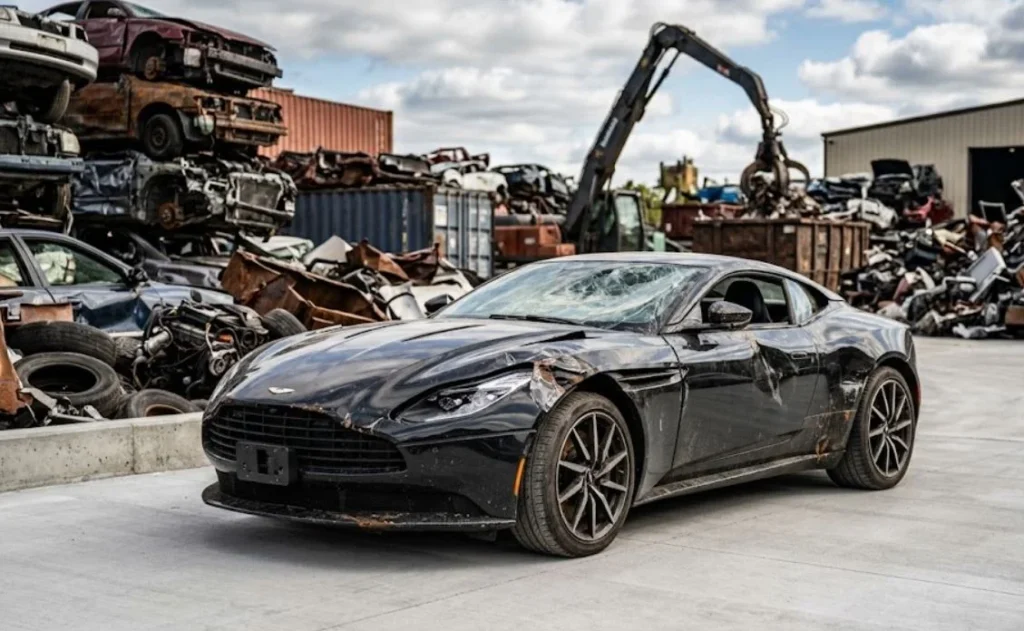
Beyond the battery, electric vehicles contain secondary high-value components. Electric drive motors feature substantial quantities of heavy-gauge copper windings and rare-earth neodymium magnets. Inverters, onboard chargers, and high-voltage orange power lines hold considerable scrap value compared to standard automotive scrap metal.
Because of these complexities, standard junkyards lacking certified handling protocols are often unable to process EVs safely or accurately appraise their true scrap value. Working with a specialized recycling provider ensures every component is reclaimed responsibly according to Ontario environmental standards.
Key Indicators That It Is Time to Scrap Your Electric Vehicle
Deciding when to transition an electric car from active driving to the scrap yard involves evaluating repair costs against the current vehicle market value. In Ontario, several distinct factors indicate an EV has reached end-of-life status:
- Severe Battery Degradation Below Practical Range: When an EV battery’s state of health drops below 50% of its original capacity, range anxiety becomes a daily reality. Replacing an out-of-warranty traction battery in Canada can cost anywhere from $8,000 to over $20,000 depending on the make and model, making replacement economically unfeasible for older EVs.
- Major Thermal or Mechanical Battery Damage: Direct physical impacts to the undercarriage, battery pack punctures, or thermal incidents automatically render an EV unsafe for public roads.
- Severe Structural Accident Damage: If an insurer deems your electric vehicle a total loss after a collision, selling the salvage or scrap vehicle directly to a specialized recycler allows you to reclaim cash value from intact drivetrain parts.
- Proprietary Software or Inverter Failure: When core electronic control units, thermal cooling systems, or inverter modules suffer catastrophic failures and replacement modules are discontinued by the manufacturer, scrapping becomes the most cost-effective solution.
Understanding Scrap EV Values in Ontario: How Much Is Your Vehicle Worth?
Vehicle owners often ask what payout they can expect when selling a scrap electric car in Toronto or surrounding GTA regions. Scrap EV values in Ontario generally range between $500 and $2,000, but exceptional cases involving newer models with intact battery packs can yield significantly higher cash offers.
Several core variables dictate your final quote:
| Valuation Factor | Impact on Scrap EV Value | What Recyclers Look For |
| Battery Health & Reusability | High Impact | Functional battery modules that can be repurposed for stationary solar storage or second-life backup power command premium payouts. |
| Raw Copper & Metal Content | Moderate-High Impact | Heavy-duty copper wiring harnesses, high-voltage busbars, and aluminum subframes elevate the base scrap metal price. |
| Component Resale Potential | Moderate Impact | Undamaged infotainment screens, digital instrument clusters, heat pumps, and electric power steering racks increase total vehicle appraisal. |
| Vehicle Curb Weight & Size | Standard Impact | Larger electric SUVs and pickup trucks yield higher baseline ferrous scrap metal values during final shredding. |
To get the most accurate valuation, provide your recycler with the exact vehicle year, make, model, current mileage, battery condition, and clear information on whether the car rolls freely on its wheels.
Step-by-Step Guide: How to Scrap an Electric Car in Ontario
Disposing of your EV legally and safely requires following a structured process. Here is the step-by-step roadmap for Ontario vehicle owners.
Step 1: Gather Required Ontario Vehicle Documentation
Before arranging vehicle pickup, collect the necessary legal documents:
- Vehicle Ownership Permit: The green Ontario ownership document is mandatory. You must fill out and sign the “Application for Transfer” portion on the vehicle portion of the permit.
- Valid Photo Identification: A valid Ontario Driver’s Licence or government-issued photo ID matching the name on the vehicle permit.
- Keys and Fobs: Providing primary key fobs allows recyclers to access electronic shift controls and put the car into neutral for loading.
Step 2: Prepare the Vehicle and Clear Personal Data
Modern electric vehicles store substantial personal data within their onboard navigation and media units. Before the tow truck arrives:
- Unlink your personal smartphone from Bluetooth and Apple CarPlay/Android Auto settings.
- Perform a full factory reset through the central touchscreen menu to wipe saved home addresses, garage door codes, and personal contacts.
- Remove all personal belongings, transponders (such as 407 ETR transponders), and custom charging cables if you intend to sell them separately.
Step 3: Never Attempt DIY Battery Removal
It is critical to note that vehicle owners should never attempt to unbolt or disconnect the high-voltage battery pack independently. High-voltage DC currents remain present even when the vehicle is turned off or the 12V auxiliary battery is disconnected. Certified facilities follow strict safety standards established under the Canadian Auto Recyclers Environmental Code (CAREC), utilizing specialized lifting equipment, insulated gloves, and dedicated battery storage containers.
Step 4: Schedule Specialized Flatbed Towing
Electric vehicles generally cannot be flat-towed with two wheels on the ground using standard hook-and-chain trucks. Dragging an EV with driven wheels on the road generates mechanical resistance from the electric motors, which can generate unwanted high voltage, damage the drivetrain, or spark fires. Always verify that your chosen scrap service utilizes a dedicated flatbed tow truck.
Step 5: Complete the ServiceOntario Ownership Transfer
Once the vehicle is collected and payment is settled, take your license plates off the vehicle. Visit a ServiceOntario center or access their online portal to return the license plates or register them to a new vehicle. Submit the completed vehicle portion of the permit to officially change the car’s legal status to “Scrapped” or “Transferred,” ensuring you are completely released from ongoing vehicle tax liabilities, parking enforcement fines, or insurance requirements.
Comparing EV Disposal Outlets in Ontario
Choosing the right facility to handle your end-of-life electric vehicle affects your overall cash payout, convenience, and safety peace of mind.
| Disposal Method | Average Cash Payout | Towing Included? | Processing Speed | Safety & Compliance |
| Specialized Scrap Car Removal Services | $500 – $2,000+ (Instant Cash/E-Transfer) | Yes (Free Flatbed Towing) | Same-Day / 24-Hour | High (Direct transportation to certified recyclers) |
| Traditional Auto Wreckers | $300 – $1,000 | Varies (May deduct tow fees) | 2–5 Business Days | Moderate (Varies depending on EV certification) |
| Dealership EV Trade-In / Buyback | Low / Minimal Trade Allowance | No (Owner must deliver) | Slow (Requires multi-day appraisal) | High (OEM official channels) |
| Municipal / General Metal Shredders | Low (Base ferrous weight price) | No | Fast | Low (Often reject intact high-voltage batteries) |
Environmental Impact: How EV Recycling Closing the Loop in Canada
Proper electric car recycling plays a vital role in Canada’s clean energy transition. Rather than letting critical battery materials end up in municipal landfills, certified processing facilities break down retired batteries into valuable secondary raw materials.
Through modern hydrometallurgical and mechanical shredding processes, recyclers extract black mass—a concentrated powder containing essential critical minerals including lithium, nickel, cobalt, manganese, and graphite. Companies like Electra Battery Materials operating facilities within Ontario refine this black mass back into battery-grade precursor materials.
Recycling an electric vehicle reclaims up to 95% of its raw metals, reducing the demand for primary raw material mining, cutting industrial carbon emissions, and building a local circular supply chain for future electric vehicle manufacturing right here in Ontario.
Local Service Coverage Across the Greater Toronto Area (GTA)
When you need rapid, reliable, and safe scrap vehicle removal, choosing a service operator deeply familiar with the local geography makes all the difference. Professional removal teams operate 24/7 across every major municipality in the GTA and surrounding Southern Ontario regions:
- Scarborough & North York: Fast response times along major arteries including Eglinton Ave, Highway 401, Sheppard Ave, and Don Valley Parkway.
- Downtown Toronto & Etobicoke: Seamless flatbed navigation through congested urban neighborhoods, underground parking facilities, and tight residential driveways.
- Mississauga, Brampton & Peel Region: Comprehensive coverage across industrial zones, residential neighborhoods, and major highway corridors like the QEW, Highway 410, and Highway 407.
- Vaughan, Markham & York Region: Prompt scrap collection services servicing Richmond Hill, Aurora, Newmarket, and Whitchurch-Stouffville.
- Durham Region & Simcoe County: Extending specialized EV removal to Pickering, Ajax, Whitby, Oshawa, Barrie, and surrounding communities.
Why GTA Towing & Scrap Cars Is Your Trusted Partner
For drivers across the Greater Toronto Area looking to sell a scrap EV or dispatch emergency roadside support, GTA Towing & Scrap Cars provides an end-to-end solution built on safety, transparency, and top cash value.
Our Commitment to Vehicle Owners
- 24/7 Availability: Vehicle breakdowns and scrap decisions don’t strictly happen during standard business hours. Our dispatch fleet operates around the clock to provide instant assistance.
- Zero Hidden Fees: The quote you receive over the phone is the exact cash payout you receive at pickup. We never deduct charges for flatbed towing, winching, or documentation help.
- Safe EV Handling: Our experienced operators are trained in flatbed loading procedures specifically engineered for electric and hybrid drivetrains, eliminating risks of electrical or mechanical damage.
- Local Expertise: Based conveniently at 3091 Eglinton Ave E in Scarborough, ON, our local dispatch units reach most GTA locations within hours of your call.
Frequently Asked Questions (FAQ)
How do I sell a scrap EV in Toronto if the battery is completely dead?
You can easily sell a scrap EV with a completely dead battery. Specialized scrap car removal services provide flatbed tow trucks equipped with winches to safely load non-running vehicles from driveways, street side spots, or parking garages. You receive cash on the spot regardless of whether the battery holds a charge.
Can I scrap my electric car in Ontario without a vehicle title or green ownership permit?
No, under Ontario provincial law, you must present the green Vehicle Ownership Permit to legally scrap or transfer a car. If you have lost your permit, you can obtain a replacement document immediately at any ServiceOntario location by presenting driver identification and paying a nominal administrative fee before finalizing the scrap sale.
What happens to my EV battery after the vehicle is scrapped?
After vehicle pickup, the high-voltage battery is professionally removed by certified technicians. Depending on its state of health, the battery is either refurbished for second-life stationary energy storage (such as solar backup) or sent to a specialized Canadian recycling facility where critical minerals like lithium, nickel, and cobalt are extracted and refined for reuse.
Do I get paid more to scrap an electric vehicle than a standard gas car?
In many cases, yes. While standard scrap values depend primarily on curb weight and iron prices, electric vehicles contain higher concentrations of valuable non-ferrous metals like copper and aluminum, along with high-demand electronic modules and salvageable battery cells that can increase the overall cash offer.
Claim Your Free Scrap EV Quote Today
Don’t let an unwanted, damaged, or non-running electric vehicle take up space on your driveway or rack up unnecessary storage costs. Get instant cash payout, free professional flatbed towing, and complete legal documentation assistance today.
Contact GTA Towing & Scrap Cars:
- Headquarters Address: 3091 Eglinton Ave E, Scarborough, ON M1J 2G1, Canada
- 24/7 Phone Line: Call or text +1 (647) 473-6322
- Official Website: Visit GTA Towing & Scrap Cars to request an instant online quote!