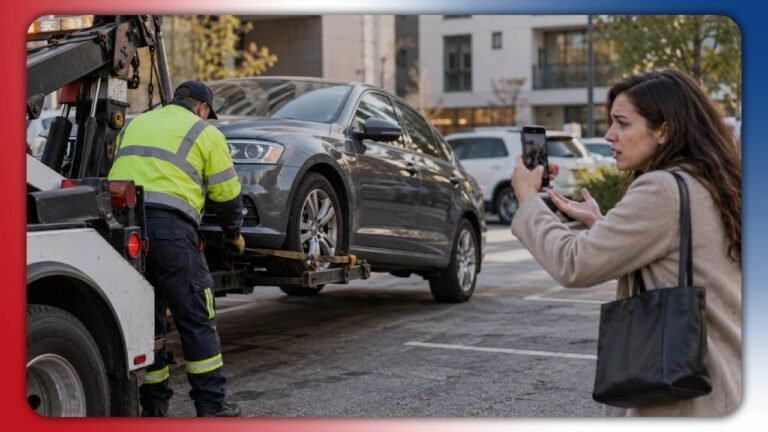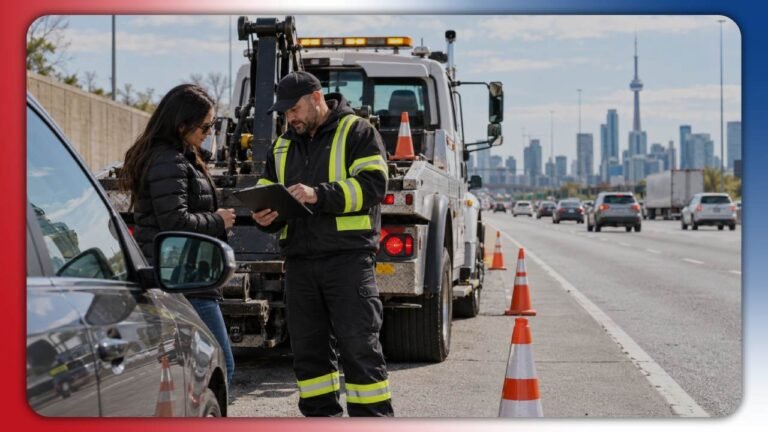

Call a tow when brakes, steering, overheating, smoke, major leaks, or collision damage make driving unsafe. If you ask, “does my car need to be towed,” stop driving whenever vehicle control or engine protection becomes uncertain.
A repair shop visit works only when your car remains safe to operate. A tow prevents extra damage when a serious fault makes driving risky.
Use the warning signs below before choosing between roadside help, a repair shop drive, or professional towing. The safest decision protects you, traffic, and your vehicle.
Does My Car Need to Be Towed After a Warning Light?
A flashing or red critical warning usually means you should stop driving and arrange professional help. The exact response depends on the warning and vehicle behaviour.
Ask “does my car need to be towed” when a warning appears with heat, smoke, power loss, or poor handling.
Which dashboard lights require an immediate stop?
Stop for a flashing check engine light, red oil-pressure warning, or high-temperature warning. Those warnings can signal engine damage or unsafe operation.
A flashing check engine light often points to severe misfiring. Continued driving can damage the catalytic converter and increase engine stress.
A red oil-pressure warning needs immediate attention. Low oil pressure can damage bearings, camshafts, and other lubricated engine parts.
A high-temperature warning means the cooling system cannot control engine heat. Pull over safely, switch off the engine, and request help.
When can a steady warning light wait for diagnosis?
A steady warning light can sometimes allow a careful repair shop visit when the car drives normally. You still need prompt diagnosis.
Check for normal steering, braking, acceleration, temperature, and engine sound. Stop driving if any new symptom appears during the trip.
A steady check engine light without other symptoms differs from a flashing light.
What should you check before restarting?
Check for smoke, leaking fluids, burning smells, abnormal noises, and visible damage before restarting. Do not touch hot engine components.
Do not open a hot radiator cap. Pressurized coolant can escape quickly and cause severe burns.
Does My Car Need to Be Towed After a Breakdown?
A breakdown needs towing when a safe roadside fix cannot restore dependable operation. A failed jump-start, repeated stalling, or locked drivetrain supports that decision.
Ask “does my car need to be towed” after one safe roadside attempt fails.
What does a failed jump-start tell you?
A failed jump-start can indicate a starter, alternator, fuel, ignition, or electrical problem. A battery boost cannot repair those faults.
Stop repeated jump attempts after the battery connections and boost procedure prove correct. Arrange towing when the engine still will not start.
When does an alternator or starter problem require towing?
Tow the car when the engine cannot start reliably or stalls again after a boost. A failing charging system can leave you stranded again.
Tow the vehicle when dashboard lights dim, steering assistance disappears, or the engine stalls. Those symptoms can make continued travel unsafe.
When can roadside assistance solve the problem?
Roadside assistance can solve simple problems such as a dead battery, lockout, fuel shortage, or usable spare-tire change. A tow is unnecessary after a safe fix.
GTA Towing & Scrap Cars lists battery boosts, tire changes, lockouts, fuel delivery, and vehicle recovery among its roadside assistance services.
Call for a tow when the roadside technician cannot restore safe operation.
Does My Car Need to Be Towed for Engine Problems?
Engine heat, oil loss, fuel leaks, heavy smoke, and severe knocking justify an immediate stop. Continuing to drive can multiply mechanical damage.
Ask “does my car need to be towed” whenever the engine loses lubrication, cooling, or stable combustion.
How to respond to overheating
To respond to overheating, move to a safe location and switch off the engine. Do not continue toward a repair shop with rising temperature.
Steam, a red temperature warning, coolant smell, or repeated overheating supports towing. Continued heat can damage cylinder heads and head gaskets.
How to identify dangerous fluid leaks
To identify dangerous fluid leaks, note the colour, smell, location, and speed of fluid loss. Avoid touching unknown fluids.
Engine oil often appears brown or black. Coolant can appear green, orange, pink, blue, or yellow depending on the vehicle.
Tow the car after rapid fluid loss or falling fluid levels. A leaking brake, coolant, oil, or transmission system can fail quickly.
How to react to smoke or burning smells
To react to smoke or burning smells, stop safely, switch off the vehicle, and move away from danger. Call emergency services for visible fire.
A strong fuel smell requires extra caution. Do not restart the engine near visible fuel or an active fuel leak.
Does My Car Need to Be Towed for Brake, Steering, or Suspension Problems?
Brake, steering, wheel, and suspension faults require towing when the car cannot respond predictably.
Ask “does my car need to be towed” when the brake pedal, steering wheel, or wheel position suddenly changes. Sudden control changes require caution.
What brake symptoms make driving unsafe?
Tow the car for major brake loss, grinding, a sinking pedal, or sharply reduced stopping response. Brake faults can worsen without warning.
Grinding can indicate metal contact within the braking system. A soft or sinking pedal can indicate hydraulic pressure loss.
What steering changes require immediate towing?
Tow the car after sudden steering stiffness, looseness, pulling, or loss of steering assistance. Reliable steering remains necessary at every speed.
Do not test severe steering problems on public roads. A tow keeps an unstable vehicle away from moving traffic.
What wheel or suspension damage stops safe travel?
Bent wheels, broken suspension parts, severe tire damage, and dragging components require towing. Those faults can affect stability and braking.
Do not drive on a flat tire. Driving on a flat can damage the tire, wheel, suspension, and nearby body components.
Does My Car Need to Be Towed After a Collision?
A collision requires towing when damage affects steering, braking, wheels, airbags, fluids, structure, lighting, or secure body panels. Hidden damage can also matter.
Ask “does my car need to be towed” before moving a damaged vehicle beyond a safe location.
How to check for visible collision damage
To check for visible collision damage, inspect wheels, tires, lights, glass, body panels, and fluid leaks from a safe position. Avoid traffic lanes.
Check whether any wheel sits at an unusual angle. Look for hanging bumpers, loose underbody panels, broken lights, or a hood that cannot latch.
When deployed airbags or leaking fluids require towing
Tow a vehicle after airbag deployment, major fluid leakage, or severe body damage. Those conditions need inspection before normal road use.
Airbag deployment confirms a significant impact event.
For collision recovery across the GTA, the site’s accident vehicle towing page covers transport to repair, inspection, or secure locations.
How Ontario restricted towing zones affect your next step
Ontario restricts towing on designated provincial highway sections, including major GTA routes. The Ministry of Transportation controls which operators can respond there.
Call 911 during an emergency or when your vehicle stops in a travelled lane. Call 511 from a safe shoulder within a restricted zone.
Restricted zones cover Highway 401, 400, 404, 403, 427, 409, 410, and the QEW.
Does My Car Need to Be Towed or Is Roadside Assistance Enough?
Roadside assistance works when a simple on-site service restores safe and dependable driving.
Ask “does my car need to be towed” after the roadside fix, not only before the service. New symptoms can change the safe decision.
When a battery boost can solve the problem
A battery boost can solve a discharged battery when the engine starts and continues running normally. Repeated stalling points toward another fault.
When a tire change can get you moving
A tire change can restore travel when you have a usable spare and no wheel or suspension damage. Follow the spare tire restrictions.
When fuel delivery or lockout service is enough
Fuel delivery or lockout service can solve access and empty-tank problems without towing. The vehicle still needs normal operation afterward.
How to Decide Whether Your Car Is Safe to Drive
To decide whether your car is safe to drive, check control, heat, fluids, sounds, smells, and warning lights.
Ask “does my car need to be towed” before moving the vehicle from a safe location. A short drive can still worsen a serious fault.
How to check sound, smell, warning lights, and handling
To check the vehicle, compare current behaviour with normal operation before moving. Focus on sudden changes rather than minor cosmetic problems.
Check for red warnings, flashing warnings, high temperature, and low oil pressure. Test braking and steering only while safely stationary when possible.
How to choose between towing and a repair shop drive
To choose between towing and driving, ask whether the fault can reduce control or cause major damage. Choose towing after a yes answer.
Ask “does my car need to be towed” whenever the repair shop route requires you to ignore a serious warning. Do not gamble on distance.
How to avoid causing more vehicle damage
To avoid extra damage, stop operating a vehicle that loses oil pressure, cooling, braking, steering, or stable power. Arrange transport instead.
A tow costs less than avoidable damage in many serious fault scenarios. The exact repair cost depends on the vehicle and failure.
How to Request the Right Tow in the GTA
To request the right tow, describe the vehicle, location, damage, drivetrain condition, and destination clearly.
Ask “does my car need to be towed” before requesting only a battery boost or tire change. The service choice should match the real symptom.
How to describe your vehicle condition
To describe your vehicle condition, give the year, make, model, location, operating status, and visible damage. Mention blocked wheels or missing keys.
Tell dispatch whether the vehicle starts, rolls, steers, brakes, shifts into neutral, or leaks fluid. Those details affect loading and recovery planning.
How to choose a towing destination
To choose a towing destination, select a repair shop, collision centre, inspection facility, home, or secure location. Confirm access before dispatch.
Ontario gives drivers destination rights in normal consent-based towing situations. Police directions and restricted towing zones can change immediate options.
How to confirm Ontario towing consent
To confirm Ontario towing consent, review the company, certificate details, destination, rates, and consent form before movement. Do not sign blank forms.
Ontario requires certified towing businesses and drivers. Tow operators must provide required information before a consent-based tow begins.
What Should You Do While Waiting for a Tow Truck?
Protect yourself first while waiting for towing help.
Ask “does my car need to be towed” only after reaching the safest available position. Emergency safety comes before vehicle diagnosis.
How to protect yourself on a local road
To protect yourself on a local road, use hazard lights and choose a safe waiting position. Avoid standing beside moving traffic.
Keep passengers away from traffic lanes. Share your exact location, vehicle description, and problem with the towing dispatcher.
How to respond inside an Ontario restricted towing zone
To respond inside a restricted towing zone, call 911 for emergencies or travelled-lane breakdowns. Call 511 from a safe shoulder for towing help.
Ontario advises drivers to remain inside the vehicle on provincial highways when staying inside remains safer. Avoid roadside repairs beside fast traffic.
Quick Reference: Tow or Drive Decision Table
The table below gives a fast decision framework for common towing decisions.
| Task | Timing | Method | Difficulty |
| Flashing engine or red oil warning | Immediate | Stop safely, switch off, arrange towing | Low |
| Overheating or steam | Immediate | Stop, cool the vehicle, arrange towing | Low |
| Heavy fluid leak | Immediate | Avoid restarting near fuel, arrange towing | Medium |
| Brake or steering loss | Immediate | Stop driving and request a tow | High |
| Failed jump or repeated stall | Same trip | Tow for electrical or mechanical diagnosis | Low |
| Flat tire with usable spare | Roadside | Change tire only in a safe work area | Medium |
| Collision with airbags or leaks | Immediate | Request accident recovery and inspection | High |
Ask “does my car need to be towed” whenever 2 or more serious warning signs appear together. Multiple symptoms strengthen the case for towing.
FAQs About Whether Your Car Needs Towing
Does my car need to be towed if the check engine light flashes?
Yes. A flashing check engine light can signal severe misfiring and catalytic converter damage. Stop driving and arrange diagnosis through towing.
Does my car need to be towed after overheating?
Yes. Tow the car when the temperature remains high, steam appears, or overheating returns after cooling. Continued driving risks engine damage.
Can I drive with a visible fluid leak?
No. Do not drive after rapid oil, coolant, brake fluid, fuel, or transmission fluid loss. Arrange towing and professional inspection.
Does a dead battery always mean I need a tow?
No. A successful boost can restore travel when the charging system works normally. Tow the vehicle after repeated stalling or failed boosting.
Does my car need to be towed after a minor collision?
Yes, when safety systems or vehicle control show damage. Tow after airbag deployment, leaks, unstable steering, braking changes, or wheel damage.
Final Takeaway: Choose a Tow Before an Unsafe Drive
Choose towing whenever driving can reduce control, increase engine damage, or create a roadside safety risk.
Ask “does my car need to be towed” before risking a repair shop drive with serious warning signs. Stop driving when the answer remains uncertain. For 24/7 help across Toronto and the GTA, review GTA towing services and request the right vehicle service.